Source heavy oils resistant meltblown cloth for Hospital, Industry, Cleanroom
Compare 30 listings of heavy oils resistant meltblown cloth suitable for hospital, industry, and cleanroom applications. Buyers can evaluate features like eco-friendly properties, tensile strength, and customization options from verified Chinese manufacturers; compare the available evidence and request quotations based on your requirements.
Key considerations
Products List




Comprehensive Sourcing Guide
Heavy Oils Resistant Meltblown Cloth Sourcing Guide
Sourcing meltblown nonwoven fabrics for industrial applications requires a clear understanding of material limitations and specific use cases. The supplied product data indicates that the primary material is 100% polypropylene, processed via melt-blown techniques to create fabrics with weights ranging from 18 to 220 GSM. While these materials offer features such as breathability, anti-static properties, and eco-friendly characteristics, buyers must carefully evaluate their suitability for environments involving heavy oil exposure. Polypropylene is inherently hydrophobic, which can be advantageous for repelling water-based liquids, but its resistance to heavy hydrocarbons varies significantly based on the specific chemical composition and duration of contact.
Procurement teams should recognize that the listed products are primarily designed for hospital, cleanroom, and general industry uses, such as kitchen cleaning wipes or disposable supplies. The observed specifications include tensile strengths greater than 11 N/25mm and elongation exceeding 115%, suggesting a focus on mechanical durability rather than extreme chemical resistance. Buyers seeking materials for heavy oil resistance must verify if the standard meltblown structure provides adequate barrier properties or if additional coatings or composite layers are necessary. The available customization options allow for tailored solutions, but the base material’s chemical compatibility remains the critical factor in preventing degradation or failure in oily environments.
Product Scope and Observed Listing Signals
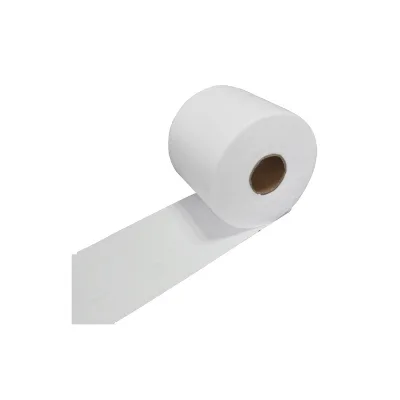
The current market listings for meltblown nonwoven fabrics reveal a diverse range of product configurations tailored to various industrial needs. Common attributes include widths of 58 or 60 inches, with packaging options ranging from individual rolls to cartons containing multiple units. The products are available in white or blue colors, often featuring embossed patterns such as cross, stone, teeth, or hexagonal designs to enhance surface area and absorption capabilities. These visual and structural variations are critical for buyers who need to optimize the interaction between the fabric and the substances it contacts, whether for wiping, filtering, or protective purposes.
Observations from the data show that many suppliers offer OEM services and customized packaging, indicating a flexible supply chain capable of meeting specific brand or operational requirements. The presence of certifications like ISO13485 and CE suggests that some manufacturers adhere to strict quality management systems, particularly for medical or hygiene-related applications. However, the term "heavy oils resistant" is not explicitly confirmed in the provided facts, requiring buyers to look beyond standard descriptions. The emphasis on eco-friendly and biodegradable features highlights a growing market trend toward sustainable materials, which may influence procurement decisions for companies with environmental, social, and governance (ESG) commitments.
Technical Specifications to Verify
When evaluating meltblown fabrics for potential use in oily environments, buyers must prioritize technical parameters that indicate material integrity and performance. Key specifications to verify include the basis weight, which ranges from 40 to 100 GSM in some listings, and the tensile strength, which should exceed 11 N/25mm to ensure durability during handling and use. The elongation percentage, noted to be greater than 115%, provides insight into the fabric’s flexibility and ability to conform to surfaces without tearing. These mechanical properties are essential for maintaining the structural integrity of the wipe or filter under stress, especially when dealing with viscous substances like heavy oils.
Additionally, the material composition and manufacturing technique play a crucial role in determining chemical resistance. The products are described as being made from 100% polypropylene using melt-blown technology, which creates a fine fiber structure. Buyers should inquire about the specific density and pore size of the meltblown layer, as these factors influence how effectively the fabric can absorb or repel oils. The availability of composite structures, such as the "Composite Meltblown Nonwoven Fabric" mentioned in the data, may offer enhanced performance by combining different material layers. Verifying these details with suppliers is necessary to ensure the selected fabric meets the specific operational demands of heavy oil applications.
Compliance and Safety Documentation
Compliance with industry standards is a critical component of the procurement process, particularly for products used in sensitive environments like hospitals or cleanrooms. The supplied data indicates that some manufacturers hold ISO13485 certification, which is relevant for medical device quality management, and CE marking, which signifies conformity with health, safety, and environmental protection standards for products sold within the European Economic Area. Buyers should request copies of these certificates to verify their validity and scope, ensuring that the supplier’s quality management systems align with regulatory requirements for the intended application.
Beyond certifications, buyers must assess the safety documentation related to the materials used in the fabric production. The products are described as eco-friendly and biodegradable, which may imply the use of non-toxic materials, but specific safety data sheets (SDS) should be obtained to confirm the absence of harmful chemicals. For applications involving heavy oils, it is important to ensure that the fabric does not degrade in a way that releases microplastics or other hazardous substances. Suppliers should be asked to provide test reports or declarations of compliance with relevant chemical regulations, such as REACH or RoHS, to mitigate risks associated with material safety and environmental impact.
Cost Drivers and Commercial Terms
The cost of meltblown nonwoven fabrics is influenced by several factors, including the raw material price of polypropylene, the complexity of the manufacturing process, and the level of customization required. The observed price range of 0.15 to 20 USD per unit suggests significant variation based on product specifications, such as weight, width, and packaging. Buyers should consider the total cost of ownership, which includes not only the unit price but also shipping, handling, and any additional costs associated with custom printing or packaging. Understanding these cost drivers helps in budgeting accurately and negotiating favorable terms with suppliers.
Commercial terms, such as minimum order quantities (MOQ) and lead times, also play a significant role in procurement planning. The data shows an MOQ range of 1 to 10,000 units, offering flexibility for both small-scale trials and large-volume orders. Buyers should clarify the lead times for production and delivery, especially when dealing with customized products or peak demand periods. Payment terms, warranty policies, and return procedures should be clearly defined in the contract to protect against potential issues such as quality defects or delivery delays. Establishing a transparent and mutually beneficial commercial relationship is essential for ensuring a stable supply chain and consistent product quality.
Supplier Qualification and Quality Control
Selecting a reliable supplier is paramount to ensuring the quality and consistency of meltblown nonwoven fabrics. Buyers should conduct thorough due diligence on potential suppliers, verifying their production capabilities, quality control processes, and track record in the industry. The presence of certifications like ISO13485 and SGS indicates a commitment to quality, but buyers should also assess the supplier’s internal quality management systems, including raw material inspection, in-process monitoring, and final product testing. Requesting samples for evaluation is a critical step to verify that the product meets the specified technical requirements and performance expectations.
Quality control measures should extend beyond the initial sample approval to include ongoing monitoring of production batches. Buyers should inquire about the supplier’s procedures for handling deviations, such as variations in weight, tensile strength, or appearance. Establishing clear quality acceptance criteria and communication channels with the supplier is essential for addressing any issues promptly. Additionally, buyers should consider the supplier’s ability to provide customized solutions, as this may indicate a higher level of technical expertise and flexibility. Building a strong partnership with a qualified supplier ensures a steady supply of high-quality materials that meet the specific needs of the procurement project.
Long-Term Procurement Checks
Long-term procurement success depends on continuous monitoring and evaluation of supplier performance and product quality. Buyers should establish key performance indicators (KPIs) to track metrics such as delivery reliability, product defect rates, and responsiveness to issues. Regular audits of the supplier’s facilities and quality management systems can help identify potential risks and areas for improvement. Maintaining open communication with the supplier is essential for addressing any changes in product specifications, regulatory requirements, or market conditions that may impact the procurement process.
Furthermore, buyers should stay informed about advancements in meltblown technology and material science that could offer improved performance or cost efficiencies. Evaluating alternative suppliers or materials periodically ensures that the procurement strategy remains competitive and aligned with business objectives. Building a diversified supplier base can mitigate risks associated with supply chain disruptions or single-source dependencies. By implementing a robust long-term procurement strategy, buyers can ensure a stable supply of high-quality meltblown fabrics that meet the evolving needs of their operations and contribute to overall business success.
FAQs
What certifications do the meltblown wiper fabrics hold?
The products hold ISO13485 and CE certifications for medical use. Some variants also carry SGS certification for quality assurance. These documents verify compliance with international safety standards for hospital and cleanroom applications.
Which material composition is used for the heavy oils resistant cloth?
The fabric is made from 100% polypropylene or non-woven fabric grades. It utilizes melt-blown technics to ensure durability. This composition supports eco-friendly properties while maintaining structural integrity for disposable supplies.
Can the fabric weight be customized for specific industrial needs?
Yes, customization is available for weight specifications ranging from 18 to 220 GSM. Specific items like wipers often feature 70 or 80 GSM weights. Buyers can request tailored weights to match their unique application requirements.
How is the product packaged for shipping and storage?
Packaging options include roll packing, carton boxes, or bags depending on the order. Some configurations offer 500 wipers per roll with four rolls per carton. Customized packing solutions are available to suit different logistics needs.
What is the minimum order quantity for purchasing this fabric?
The minimum order quantity ranges from 1 to 10,000 units based on the specific product type. Flexible MOQs allow small buyers to test samples while accommodating large industrial orders. Exact limits depend on the selected model and customization.
Which features make this meltblown cloth suitable for hospital use?
Key features include anti-bacterial, anti-static, and breathable properties. The material is also eco-friendly and designed for disposable supplies. These attributes ensure safety and comfort in hospital environments and cleanroom settings.
What is the origin location of the manufacturing facilities?
Products originate from China, specifically from the Zhejiang region. This location supports efficient production and logistics for global distribution. Buyers can source directly from these established manufacturing hubs for reliable supply chains.